
10:00 am
Arrivals and Networking
4:00 pm
Film Conclave co-production market
For detailed Agenda for this evening, please visit here.
4:15 pm
Closing Remarks
9:00 pm
Film Conclave drinks reception
This is a separately ticketed event. It is an exclusive drinks reception with over 200 filmmakers, funders, actors and production houses.
For detailed Agenda for this evening, please visit here.



7:00 pm
Arrivals with drinks and canapes
7:15 pm
Speeches
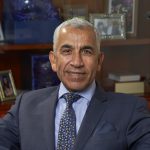
Speakers
9:00 pm
Drinks and canapes reception continues
9:15 pm
Closing Remarks
6:50 pm
Opening Reception and Welcome Drinks
For detailed Agenda for this evening, please visit here: https://www.restaurantindia.in/global/conference-agenda.php
7:00 pm
Welcome Note Address and Cultural Moment
7:40 pm
Panel 1: The Biz Behind the Plate: HoReCa Scale Engine
8:00 pm
Panel 2: Beyond the Kitchen: Chefs, Restaurateurs & the Global Rise of Indian Brands
9:30 pm
Awards, Dinner and Entertainment
11:00 pm
Networking and afterparty
11:15 pm
Closing Remarks
10:00 am
Arrivals and Networking | Exhibition Opens
10:30 am
Welcome | Opening Remarks
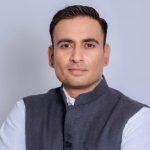
Speakers
11:15 am
India's place in an age of interest-driven and plurilateral coalitions
With political headwinds from the Trump presidency, a trade war between the US and China, ongoing wars in Europe and the Middle East, the liberal western global order is coming under stress from multiple avenues. This has accelerated a move towards a multipolar world, with India hoping to be one of those more influential global players. The UK has a unique position on the global stage, with the historic Free Trade Agreement signed with India, and a reset of the relationship with Europe anticipated this year. India counts both the US and Russia as its friends, which is unusual among major powers, and has seen its statute grow globally over the last few years under Dr Jaishankar’s leadership in the Foreign Ministry.
Where does India fit in world where countries are being asked to choose between the US and China? Will it realise its goal of being a Vishwaguru (“world power”)? What role does the UK have to play, given the significant number of Indian-origin Cabinet Ministers over the last 14 years of the Conservatives?

12:15 am
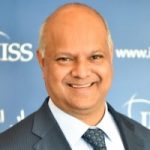
Has India lost its neighbourhood?
A recent article in Foreign Affairs challenged the assumption that India’s regional leadership has been a stabilising force and asked whether New Delhi’s choices have instead helped create openings for China across South Asia. A discussion for Carnegie explored how the “India Out” phenomenon in countries from Nepal to the Maldives is enabling China to jostle into a more advantageous geopolitical position.
South Asia has recently witnessed a wave of mass protests toppling governments and upending long-standing political arrangements including in Bangladesh, Nepal and Sri Lanka. Most notably, the ousting of Sheikh Hasina and the introduction of Nobel Prize Winner Muhammad Yunus’ government led to a plunge in a bilateral ties with India. Tarique Rahman’s landslide victory in the recent Bangladeshi elections may compel both sides to conduct a more careful foreign policy in the region.
At the same time, India has increased its engagement with the Taliban regime, as evidenced by Foreign Minister Muttaqi’s recent visit, which included – eventually – meeting with female journalists and a session at chamber of commerce FICCI. This is a pragmatic move but will escalate tensions with Pakistan. Relations with Pakistan continue to be poor after the Pahalgam attack last year.
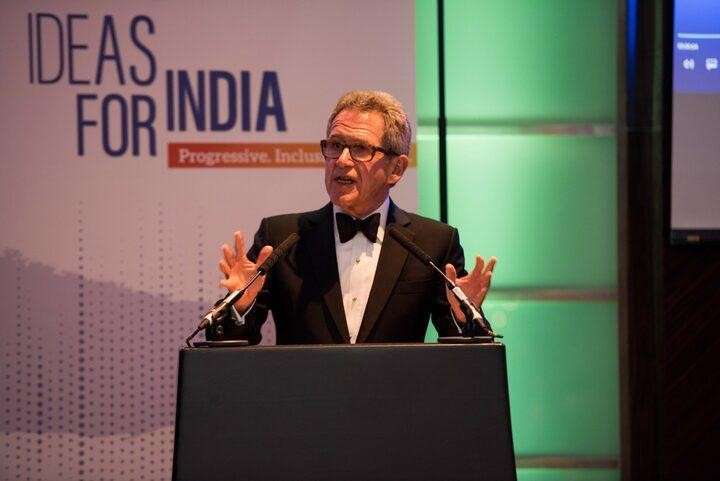
Our India Week Dinner speaker this evening is Sir Vince Cable, who argues in his new book that India is the second big global ‘superstate’ after China and the US, which will shape global commerce, international law and the fight against climate change. But can India first repair relationships in its neighbourhood? Indeed, does it want to?



12:45 pm
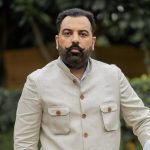
Communicating India's soft power
In partnership with Maharana of Mewar Charitable Foundation (MMCF)
India has historically underplayed its soft power. For example, more tourists visit Dubai each year than the whole of India. Cultural diplomacy is perhaps the best-understood tool of soft power. Countries hope that promoting their cultural heritage, values, and arts will have an enduring positive impact on their target publics, leading to more tourism, more positive attitudes to its people, and foreign policy dividends. The people-to-people relations cultural diplomacy offers, shape a state’s soft power.
Over time, the Indian government been actively leveraging the potential of the 30m-strong Indian diaspora as one of the most effective ways of promoting India abroad. Prime Minister Atal Bihari Vajpayee started the Pravasi Bhartiya Diwas, a diaspora outreach programme, in 2003.
But the use of soft power and its more central role in global messaging for the government, is a more recent phenomenon. India has started to propogate its cultural, civilisational and historical values as tools of foreign policy discourse in a more structured manner since 2014. India aims to create a narrative about India’s civilisational ethos that distinguishes India from other rising powers.
This panel brings together diverse voices to analyse how this has evolved over time and how it is helping India rise on the global stage. One of our panelists’ home is instantly recognisable to global audiences, after the 1982 James Bon film Octopussy was filmed there.


1:45 pm
Lunch and networking
2:45 pm
Where does India’s next decade of growth come from?
In partnership with Regent Group
India continues to be the fastest growing major economy in the world, but in the wake of the recent conflict in the Middle East, there are real risks emerging. Reuters said in April this year that Reliance Industries’ latest financials offered the clearest signal yet on how the Iran war, was rippling through the real economy. Mukesh Ambani, CEO of India’s biggest company by market value, flagged an “unprecedented dislocation in global supply chains”.
At the same time, India faced US tariff and trade deal belligerence, AI is impacting jobs in India, manufacturing as a proportion of GDP has stay flat for the last decade and private sector investment remains lacklustre.
India’s economy faces significant challenges to carry on its impressive growth in the coming decade. But the nature and distribution of that growth may look very different from the last decade. This panel brings together job creators, investors and government facilitators of trade to discuss this crucial topic for India’s development.

3:45 pm
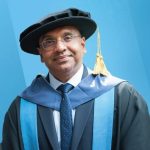
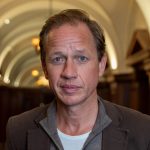
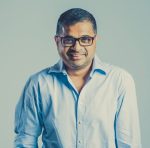
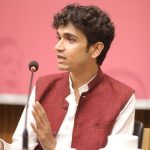
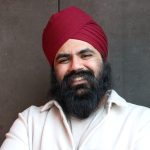
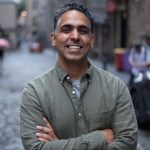
Founder Stories: Indians making it big
A conversation between leading Indian founders who are scaling their businesses beyond borders, including significant growth into the UK market. The discussion will explore their unique journeys across business and family life, the motivations that drive them, and the pivotal role their roots continue to play in shaping their decisions and leadership.
Through personal insights and strategic reflections, the panel will highlight the opportunities and challenges of building global businesses with a strong sense of identity and purpose.



4:00 pm
Closing Remarks
7:15 pm
Drinks and canapes reception, courtesy of Khoki United and Halo Drinks
10:00 pm
Black-tie Celebration Dinner, in partnership with Operation Eyesight
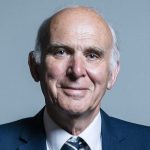
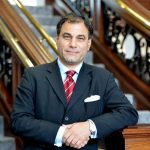
Featuring an award-winning three-course meal from Madhus, complimentary drinks throughout, a keynote from Lord Karan Bilimoria, Rishini Weeraratne (Editor, The Sun [Daily Mirror, Sri Lanka]) in conversation with Sir Vince Cable (Former Leader, Liberal Democrats) and a charity auction for Operation Eyesight hosted by renowned auctioneer Addison Gepley.

10:15 pm
Closing Remarks
2:00 pm
Arrivals and Networking
5:00 pm
Talk Journalism sessions
For detailed Agenda, please visit here.
5:15 pm